The Clash
The Magnificent DanceI love how much room there is inside that dub groove. You could pull the drums for the instant our golfer turns his feet, hear the club strike clean, then let the bass walk us down to the beach.

There’s a moment between friends when someone has an idea and everyone else knows exactly where it’s going. A glance. A slight shake of the head. Someone already starting to smile.
That’s where I want to begin.
These films live in the familiarity between people who have spent a lot of time together. They know who’s going to suggest the detour. Who’s going to pretend to object. Who’s already halfway down the path. We should feel that history immediately, through the way they move around one another, take the piss, and make decisions without much discussion.
On the call, I described this as taking full advantage of the experience. That’s what interests me here. You’ve got your friends, a stretch of coastline, a few hours outside. You’re playing well. You’d like to win. You’d also like this afternoon to last a little longer.
There’s something very appealing about people who know how to enjoy themselves.
I want to make three beautifully observed little films about those people. Films with warmth, confidence, a little mischief, and a real appetite for life. The photography will be considered. The performances will have room to surprise us. And the beer will look incredible.
The people are the way into this.
I want faces you’re interested in, people with their own style and a little character in the way they carry themselves. Someone whose favorite running shirt has been washed a hundred times. A golfer with a beautiful swing and questionable taste in socks. The friend who can get a laugh out of everyone with almost no expression at all.
We’ll look through running clubs, golf communities, and the networks around them. When we find someone interesting, I want to meet the people they actually do this with. There’s an ease between real friends that reveals itself in tiny ways: how close they stand, who interrupts whom, whose shoulder becomes an armrest.
Everyone will be over twenty-five and clearly read that way. Within that, I want a believable mix of backgrounds, personalities, and bodies. People who love their sport and have other things going on in their lives.
We’ll see them play during casting. We’ll also see them together. A good runner and an interesting face are a start. The chemistry happens when someone else walks into the room.
Wardrobe will grow from what they already wear.
We can refine color, shape, and texture while keeping the decisions that make each person feel specific. A faded cap. An unexpected pair of shorts. Sunglasses someone has clearly owned for years.
Those details give the images life.

Two films I directed and shot, Gap’s Dream the Future and Pacifico’s The Spirit of Baja, are good references for how I work with a group. What I love about shooting friends is that the fun can travel across a frame without anybody saying a word. One person does something a little ridiculous. I’m usually looking at the friend who saw it coming.
Take the sand wedge. I’d hold the two of them in the same frame, wide enough to see her hand on the grip. He’s still looking at where his ball landed when she offers him the club. She keeps a perfectly straight face. He glances at her. That’s the joke, and we get to be in on it.
Movement will have a reason. Small, responsive moves. Handheld with control, or a light stabilized camera traveling at the group’s pace.
The frame can settle when something deserves our attention: a golfer quietly changing direction, a friend’s wonderfully unimpressed reaction, the lime entering the beer.
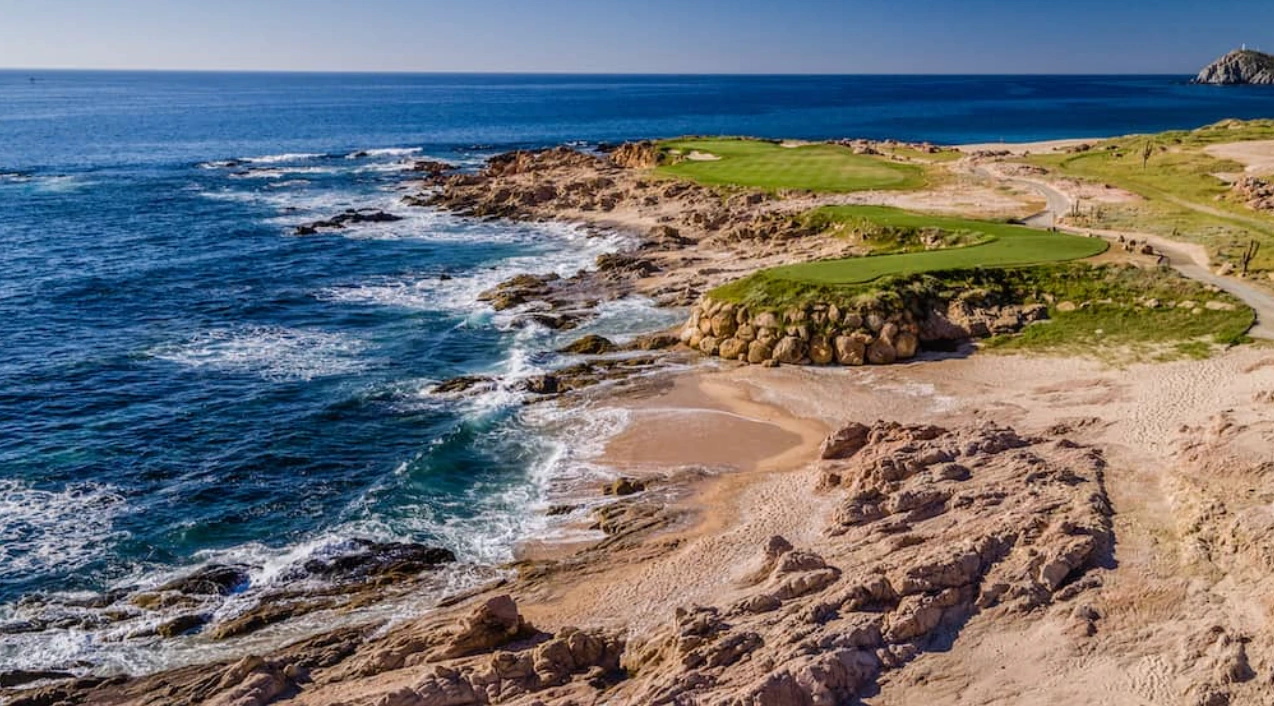
The landscape will be felt throughout. White sand, clear turquoise water, coastal grass moving in the wind. Bright, open air.
I want rich color, clean whites, luminous skin, and enough shadow to give everything shape. Late sunlight can rake across a face or catch the edge of a glass without turning the entire world orange.
These places should feel like somewhere our people know. A course they play. A trail they run. A bar where they have a preferred table.
We’ll look for an accessible American coastal character, with simple architecture, worn timber, and the small signs of a place being used and loved.
The aspiration comes from wanting to spend an afternoon there with them.
Fifteen seconds gives us room for one clear idea and a few very good details.
We’ll build each film around that. Geography, branding, and character can often happen in the same frame. A look can carry a decision. A cut can take us directly to its consequence.
I’d simplify the voiceover so the performances and product have space. The lines below are proposed trims, with the calorie and carb information carried clearly in the supers. We’ll time the boards with the required end frame from the beginning.
We open close to a Corona Premier golf bag. A hand draws a club through frame, taking our attention to the golfer beyond. The eighteenth tee, the fairway, and the ocean sit within an immediately readable geography.
He addresses the ball. His friends wait nearby.
Then he changes his stance.
It’s deliberate. A small, decisive turn away from the fairway and toward the water. One of his friends notices. He gives them the slightest look.
He swings.
The clean strike cuts through the air. His friend follows the ball toward the beach, then looks back at him. A beat of recognition. Of course.
VO: “Sometimes it’s less about the score…”
A quick movement carries us into the next shot: someone sliding into a golf cart, the others already coming with them. We catch the turn toward the beach and cut straight to the sand.
The ocean opens in front of them.
One friend quietly places a sand wedge in his hand.
The gesture says everything: Go on, then.
He looks at the club, then at the distance back up. His friend is already enjoying this. The sunset and the joke share the frame.
VO: “…and more about making good times last.”
Cut forward to the clubhouse terrace. The round is finished, the clubs put away. Our golfer is still getting a little grief as a Corona Premier is passed across the table.
We stay with the bottle. The cap lifts. His fingers press a lime into the neck.
Cut closer, following that same movement into the golden beer. Bubbles gather around the lime and stream toward the surface.
Back at the table, he raises his bottle toward the friend who handed him the wedge. A small acknowledgment. They’re going to hear about that shot for a while.
The bottle and can resolve into the final composition, with the terrace and coastline still present behind them.
CORONA PREMIER. DO WHAT FEELS LIGHT. 90 CALORIES. 2.6g CARBS.
The important thing is that we understand his choice before he hits the ball. That turn of the feet does the work of several explanatory shots. It lets us spend our time on the friendship, the beach, and the pleasure of the round after the round.
We begin in motion.
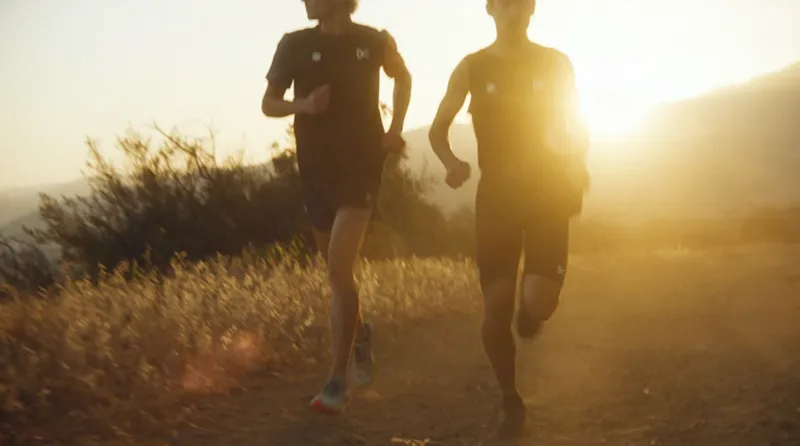
We’re alongside three friends on a coastal trail, close enough to hear the rhythm of their feet. A Corona Premier cap gives us an early, natural brand presence.
They reach a fork and ease their pace.
One direction takes them back. The other continues along the coast toward the beach bar. A simple trail sign makes the choice readable.
One runner notices it. Looks along the longer route. Looks at the others.
VO: “Sometimes it’s not about your best time…”
A friend catches the suggestion before it’s made. There’s the smallest eye roll, the kind that comes with knowing someone very well.
Then that friend takes the turn first.
A light nudge catches the instigator as they pass. Suddenly they’re all moving again, the camera picking up their pace. Someone laughs behind us. We stay with them for a few strides as the path opens toward the water.
VO: “…it’s about having the best time.”
Cut forward to the beach bar. They’ve settled in. A cap is resting on the table, conversation already underway.
The bartender draws a Corona Premier. We’re close to the tap handle as beer fills the branded glass, the liquid catching the light from the open terrace.
A lime enters the glass. We follow it beneath the surface: green rind, pale pulp, rising bubbles.
The glass lands in front of our instigator. The friend who took the turn first draws it an inch toward themselves, just enough to get a reaction, then lets it go.
A brief clink. The conversation continues.
Our final beer composition holds the coast behind it.
CORONA PREMIER. DO WHAT FEELS LIGHT. 90 CALORIES. 2.6g CARBS.
The fork gives the story a physical turning point. We can read the decision without a sequence of signs, watches, and calculations. Taking the longer way becomes a familiar negotiation between friends, with a little reversal when the apparent skeptic leads them into it.
This film brings us closest to the beer.
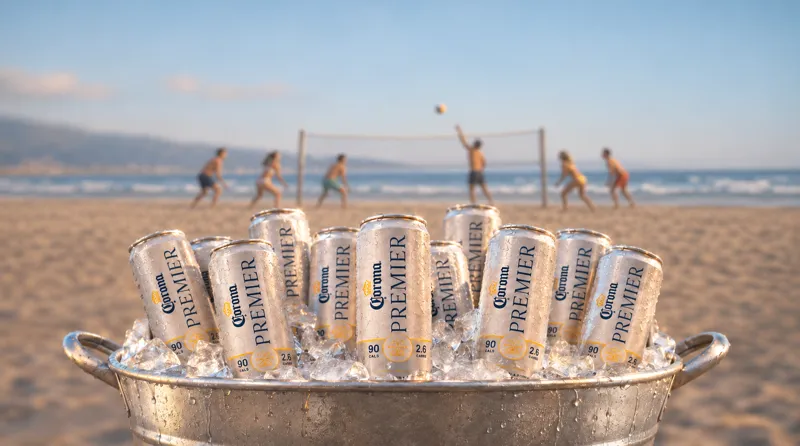
We open at a picnic table beside the water. Corona Premier bottles and cans sit in ice in the foreground. Beyond them, a volleyball crosses a strip of bright sky.
We hear the contact before we register the players.
A hand reaches into the bucket and lifts a can. Ice shifts against metal. Water catches on the fingertips. The label turns naturally into view.
VO: “Corona Premier doesn’t take light lightly.”
The tab opens with a sharp, satisfying crack.
We move closer. A thumb and forefinger guide a fresh lime wedge through the opening. The gesture is casual and practiced.
Then we’re inside the detail.
The lime breaks the surface. A brief displacement of golden liquid. Tiny bubbles cling to the rind, loosen, and rise. Light moves through the beer.
SUPER: 90 CALORIES. 2.6g CARBS.
VO: “Exceptionally light. Unmistakably Corona.”
A close view of two drinks meeting opens into friends gathered around the table after their game. Someone is halfway through telling a story. Another person starts laughing before they finish.
Further down the beach, another group continues playing. Our friends are settled here now.
We find the can and bottle on the tabletop, beautifully defined against the softer movement of the afternoon.
VO: “Do what feels light.”
CORONA PREMIER. DO WHAT FEELS LIGHT. 90 CALORIES. 2.6g CARBS.
This film gets its energy from changes in scale: the open coastline, the intimacy of a hand, the extraordinary detail inside the beer, then the group around the table. Each move takes us further into the same place.
I spent a good stretch of my career as a tabletop photographer, and I still shoot this kind of work regularly. One of the first things I’ll do on the scout is set a freshly poured Corona Premier on the bar and walk around it. There’s an angle where the daylight comes through the beer and you see its true color. It’s a beautiful, clear gold. That’s where I want to put the camera.
I’ll turn a sheltered corner of our outdoor bar or pavilion into a small tabletop stage. We’ll have room to work in close and control what the glass reflects. I’ll soften the daylight coming through the open side and use a dark card to give the edge of the glass some definition. The beer should look rich, with light all the way through it and plenty of fine bubbles rising through the gold.
Each film gives us a slightly different pleasure. In Golf, the rind folds as a thumb presses the wedge through the bottle neck. At the picnic table, the lime catches for an instant on the lip of the can. A small squeeze sends a spray of juice across the silver top. In Running, we see the whole pour, the bartender tipping the pint upright as the head settles, then the wedge plunging through it.
I’ll shoot those gestures with our cast, then move onto my macro lenses and shoot at higher frame rates for the instant we want to see more closely. My favorite part is just under the surface. Bubbles gather on the cut flesh, then peel away as the lime turns. Slowed down for a beat, you can see every one. I’ll work with our drink stylist on the temperature, carbonation and fresh cuts of lime. I’ll bring our Dragonfly post crew into the tests so we can match that underwater angle to the hand that sent the wedge in.
When we pull back for the cheers, I want to take that same care out to the table. We’ll place the friends where the glass catches that daylight, give them cold bottles and let them find each other. One bottle is still coming up as another is already on its way down. For the socials and stills, that little overlap gives me a frame where the beer looks beautiful and you can feel who’s there.
Performance will come from giving people something to do with one another. A private challenge. A familiar irritation. A joke they’re trying not to acknowledge.
I’m interested in the fraction of a second when someone attempts to keep a straight face and loses.
We’ll arrive with the stories precisely planned, then shoot variations within them. Who notices the golfer first? Who takes the longer trail? What happens if the sand wedge is handed over without even looking at him?
Those small changes can completely alter the character of a scene. We’ll give the edit choices that feel different, while keeping the storytelling clear.
Sound will put us there before we’ve taken in the whole image.
The strike of a golf ball. Shoes on the path. Wind through grass. Ice sliding in a bucket. A tab opening close to the microphone.
I want to record the real atmosphere and the cast’s spontaneous sounds throughout the shoot. A breath, a half laugh, someone reacting just outside frame.
Those recordings will be part of the first cuts, so the films have a living texture from the start.
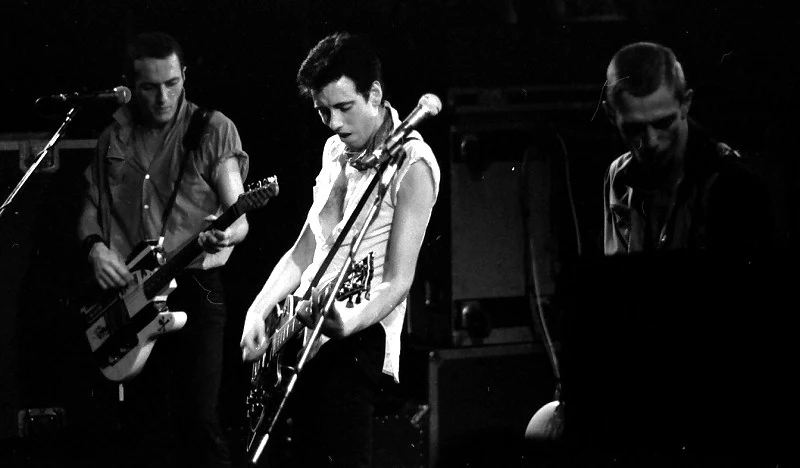
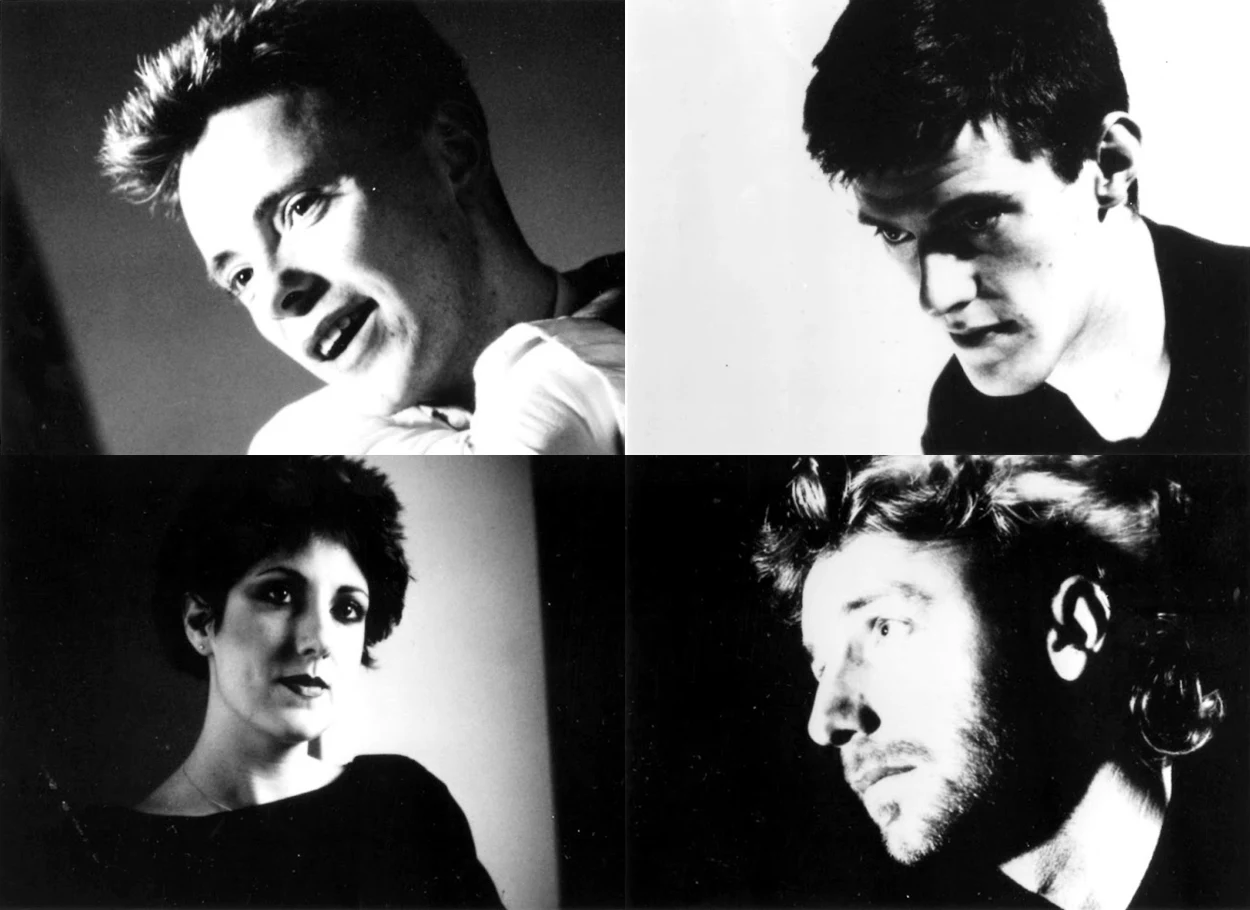
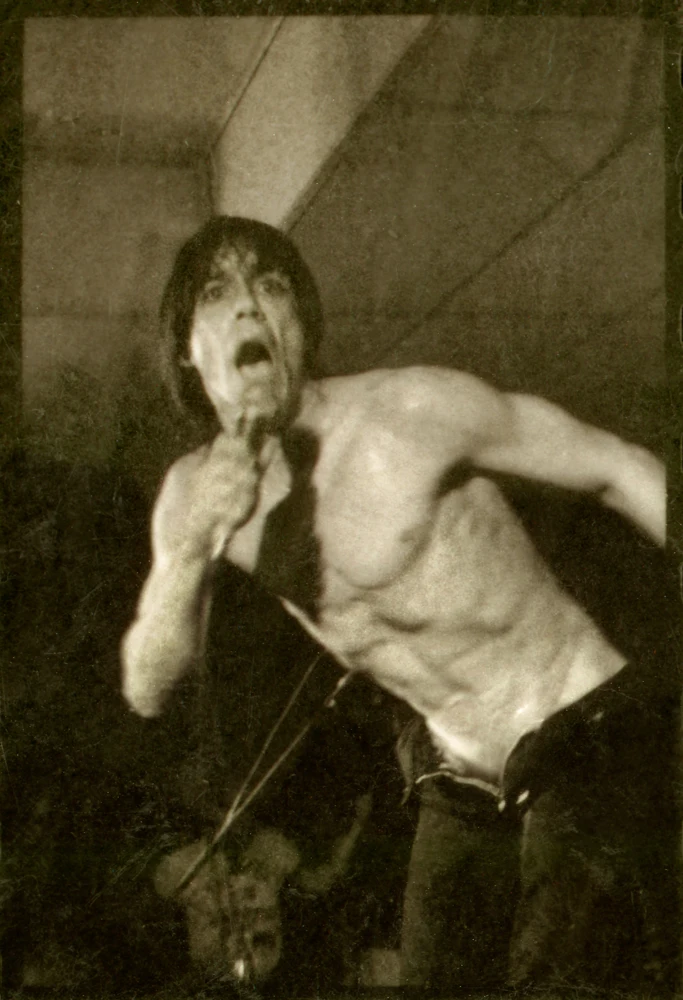
The record I’d play first is The Clash. There’s a little swagger in that bass, and enough air around the drums to hear someone laugh. I’d love to work with the music house on one original cue with that kind of character. Here are six records I’d bring to that conversation.
I love how much room there is inside that dub groove. You could pull the drums for the instant our golfer turns his feet, hear the club strike clean, then let the bass walk us down to the beach.
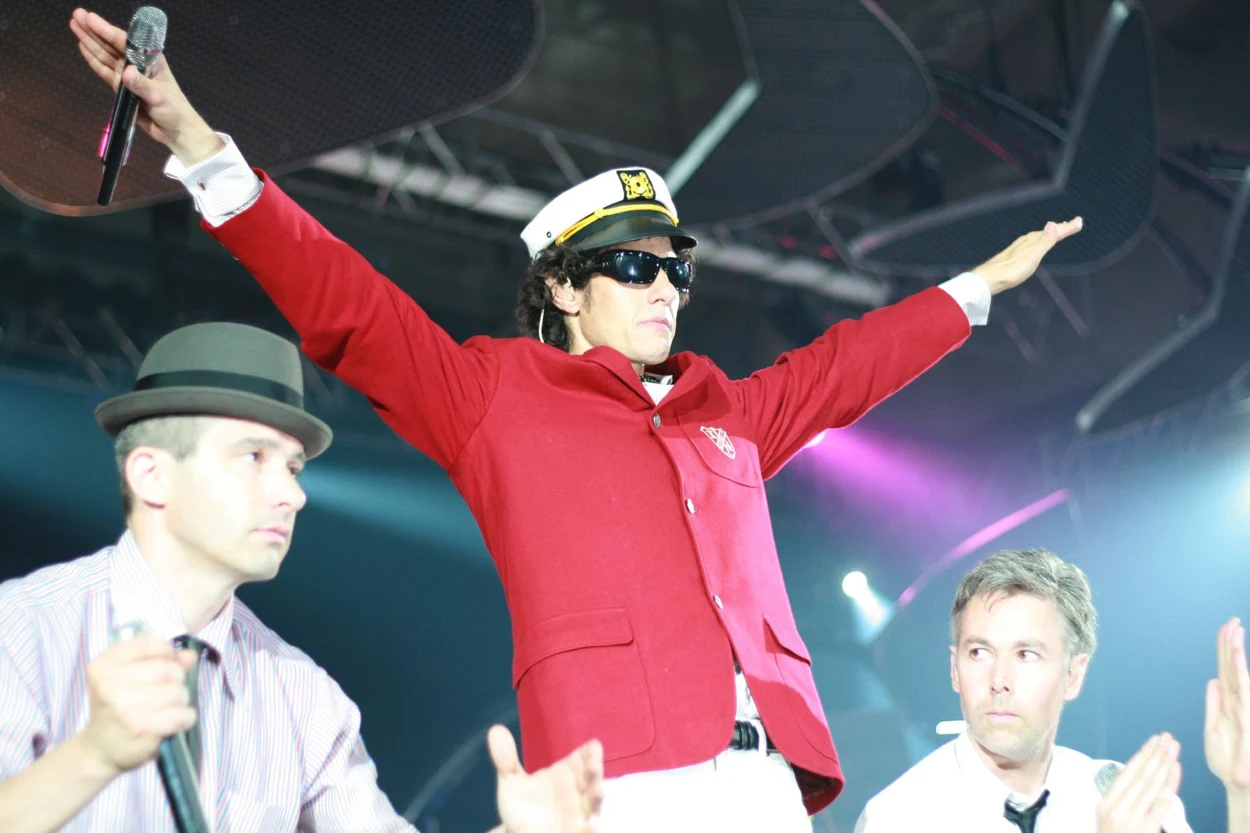
The bass carries a tune you can sing while the drums keep pushing. I hear that on the trail. The runners ease up to trade a look and you can still feel the momentum under their feet.
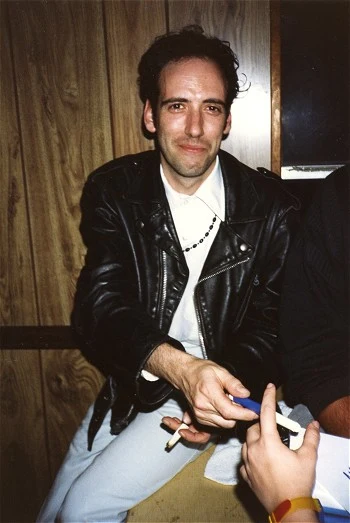
This is the loosest of the six. That low instrumental groove has an unhurried confidence I like for the bar. We could stay close on a pour and let the rhythm hold the shot.
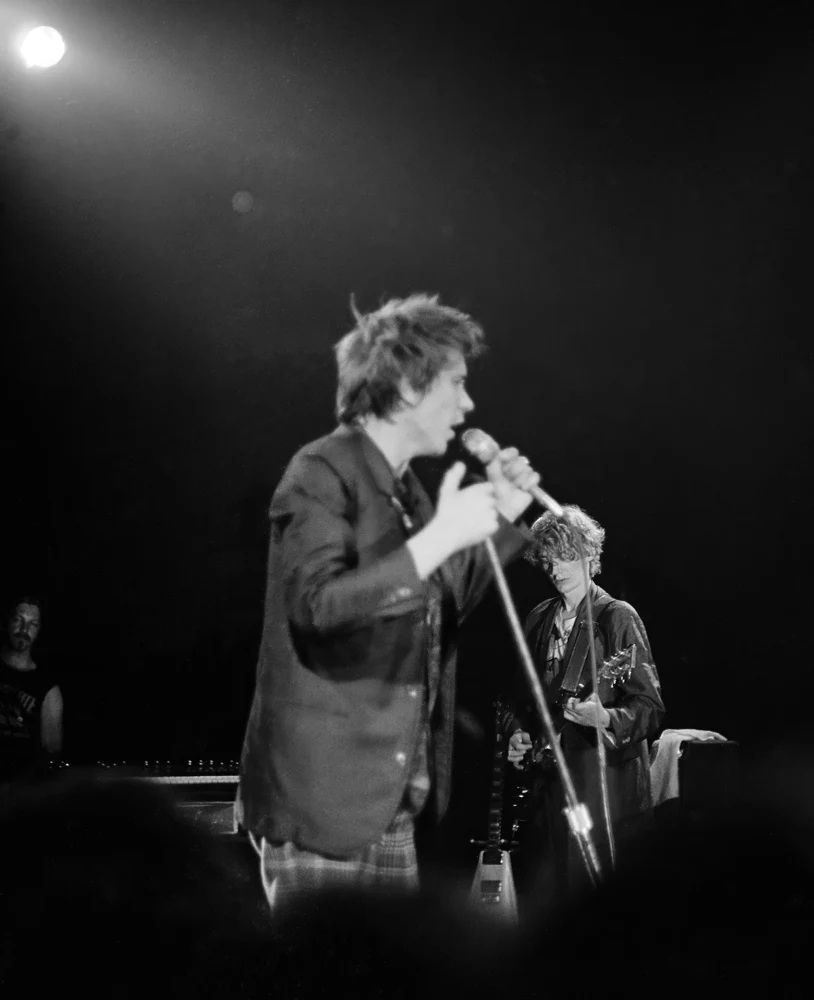
There’s mischief in the way this record changes gears. I’d borrow that timing for the cut from a golfer admiring his shot to four people piling into carts.
That repeating bass figure has real weight. When the bright guitar comes across it, the whole thing opens up. A change that simple could take us from inside the beer to the whole table in a single cut.
I keep coming back to the swing of that guitar. It feels like going somewhere with people you like. That’s the feeling I want when the friends decide they’ve got time for the long way around.
I’d try the same few bars against all three films early in the edit. If the hook still feels good under the voice and leaves room for the strike, the footsteps and the crack of the can, we’ve got our track.
In prep, we’ll put a bottle, a can and a draft pour in the pavilion light and test each move with the stylist. I’ll review the footage with Dragonfly and the editor. That’s when we choose where a real-time hand gesture takes us into slow motion, and how quickly we can get back to the people.
On the shoot, we’ll establish the table and the group in the wide, then stay with the cast for the handoffs, cheers and openings. I’ll reserve a dedicated block at the pavilion for the pours, squeeze and underwater details. The stylist can reset the beer for each take while I match the hand, lens angle and direction of light. We’ll use that same setup for the final bottle and can, then give the two horizontal stills their own time with the cast and fresh product.
For the two horizontal stills, we’ll protect dedicated compositions with deliberate label placement, beautiful light, and enough environmental detail to suggest the life around the beer.
We can assess high-resolution motion frames where appropriate, with shutter, focus, and final print requirements planned from the outset.
What stays with me is that friend quietly handing over the sand wedge. There’s affection in it. A little revenge. Years of knowing exactly how to get to someone.
I want to get close enough to catch that—and make the whole afternoon feel as good as that moment.
Social
The social films will share that same attention. We’ll compose for their formats on set and give each short piece a complete little action: a tray arriving, a hand claiming a can, a lime disappearing into a glass.
Golf, running, volleyball, and the additional activity backgrounds can give us variety while the product language remains consistent.
Each six-second film should have a satisfying rhythm of its own.